Lala Lajpatrai Institute of Management

Lorem ipsum dolor sit amet, consectetur adipiscing elit.            Donec nec enim eu purus rutrum placerat viverra eu elit.            Etiam eu scelerisque enim.

Lorem ipsum dolor sit amet, consectetur adipiscing elit.            Donec nec enim eu purus rutrum placerat viverra eu elit.            Etiam eu scelerisque enim.

Report on Shaping Futures Workshop – India, Organised by Adelaide University

Report on Shaping Futures Workshop – India, Organised by Adelaide University

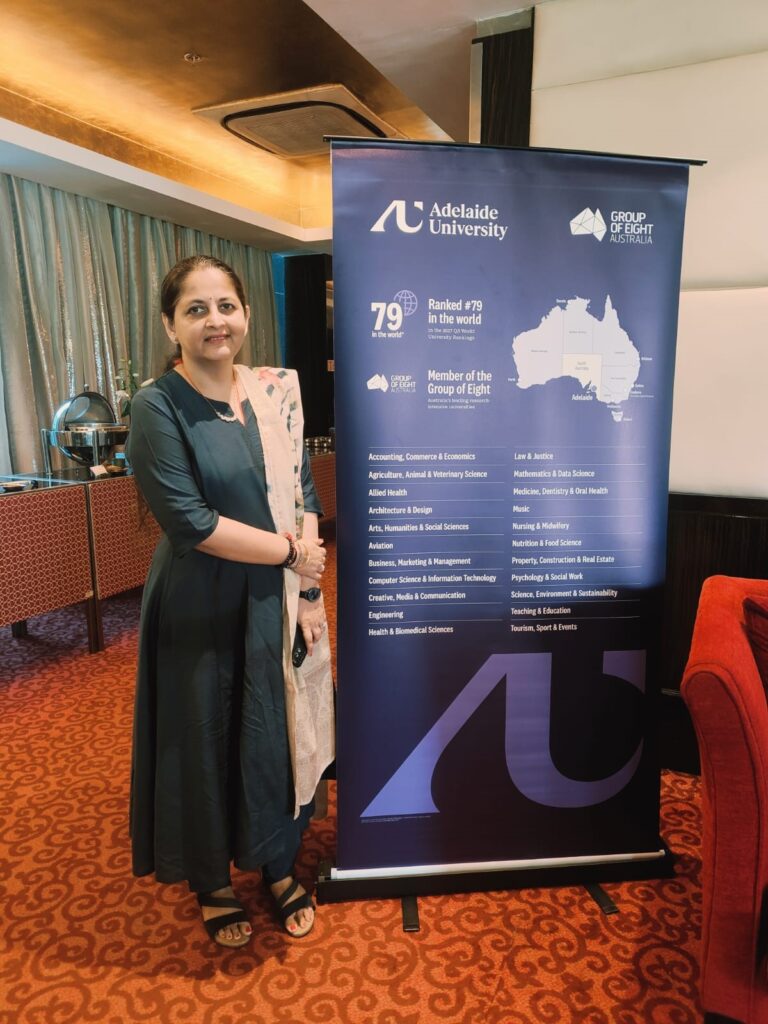
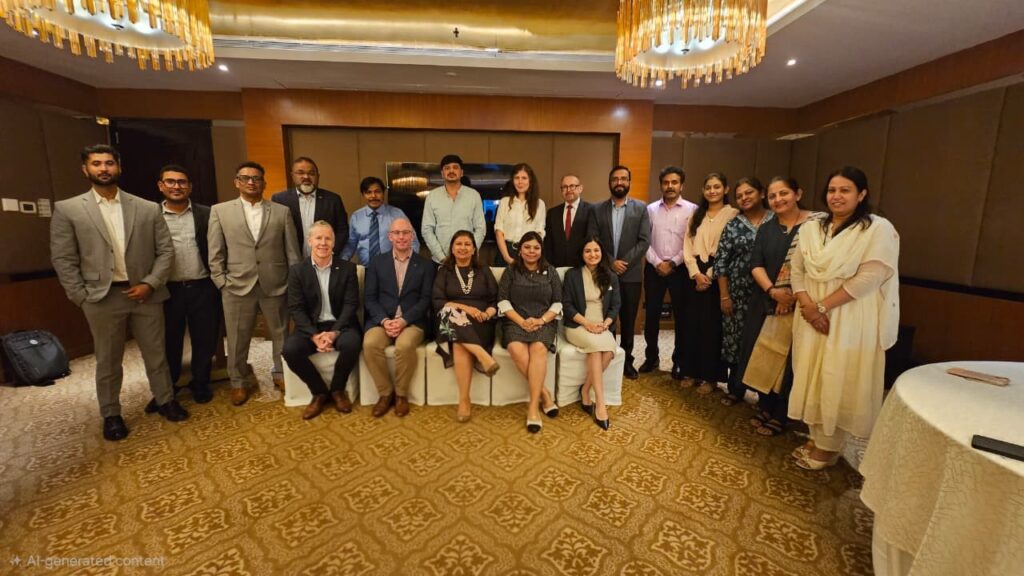
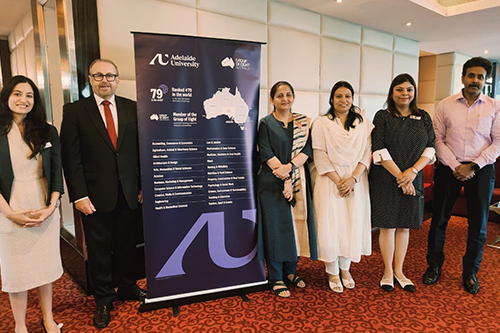
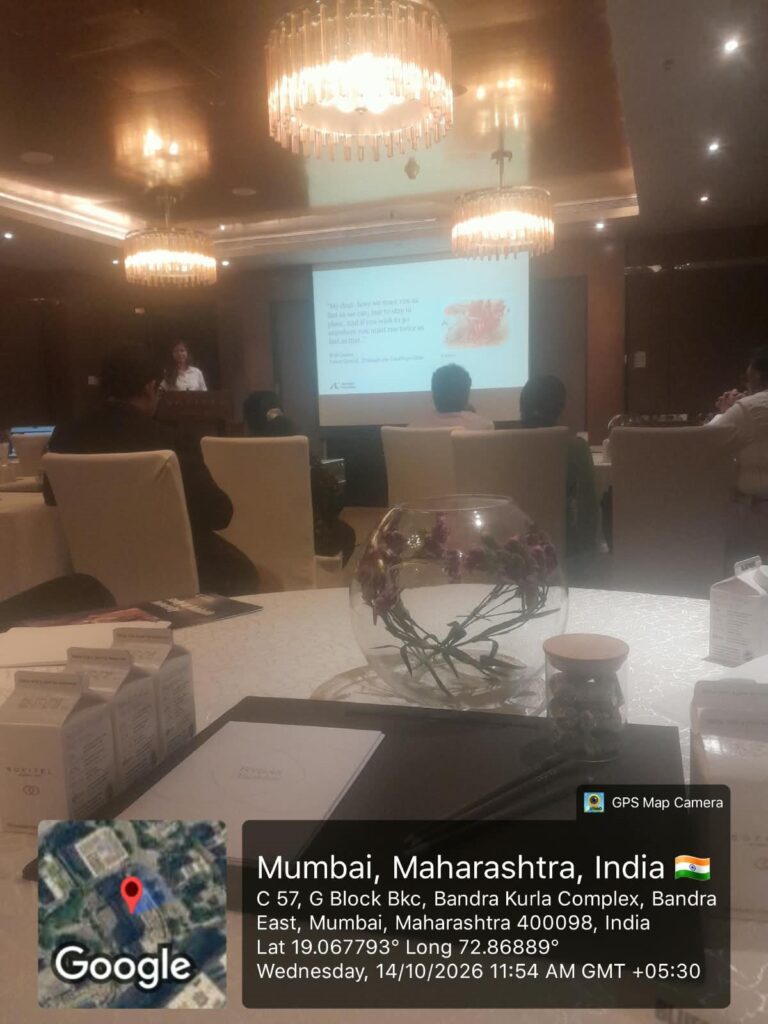
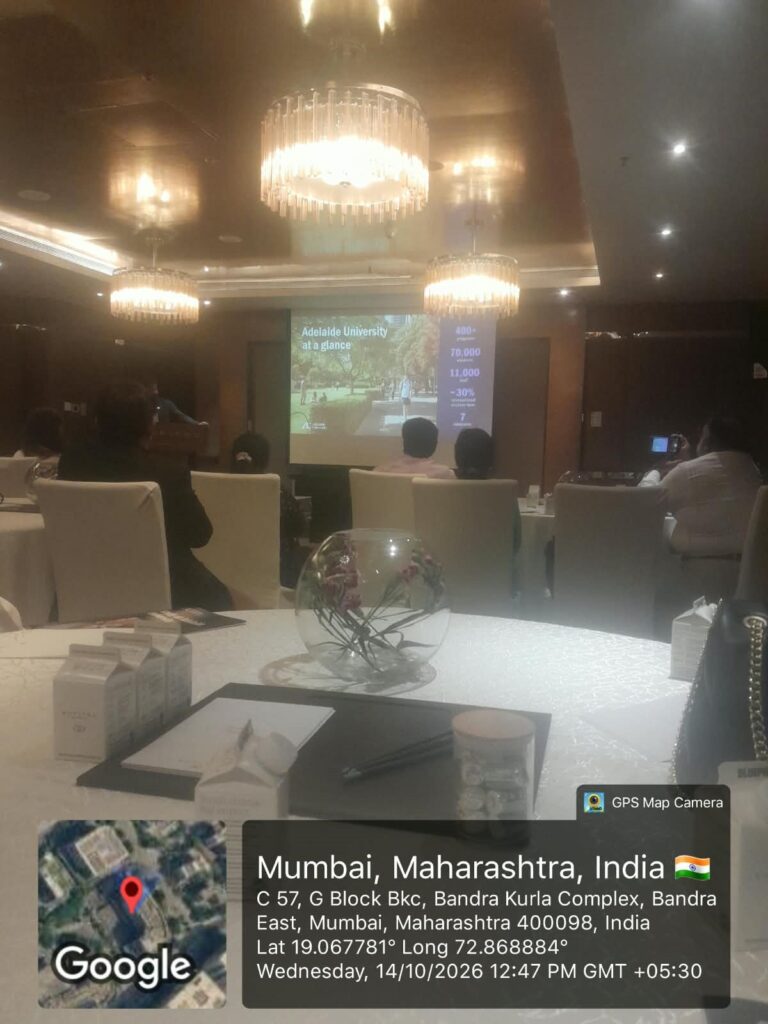
Dr. Kinjal Shah attended the Shaping Futures Workshop – India, organised by Adelaide University on Wednesday, 14 October 2026, from 10:30 a.m. to 1:00 p.m. at Salon Pompadour Room, Sofitel Hotel, Bandra Kurla Complex, Mumbai. The workshop was designed for school and college leaders to provide future-focused insights into emerging industry trends, evolving career opportunities, employability, and the skills required to prepare students for the changing world of work.

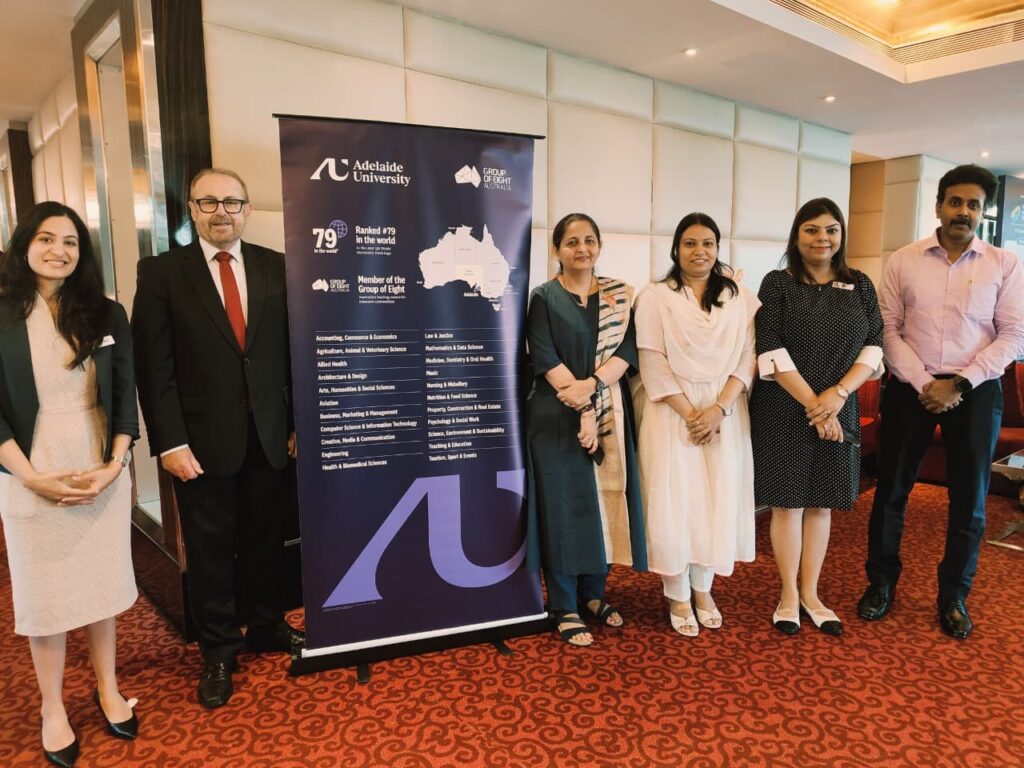
The workshop featured three distinguished academics from Adelaide University, who shared their expertise on the future of education, industry transformation, and career development. The discussions highlighted the importance of aligning academic learning with changing industry requirements and equipping students with the knowledge, practical skills, adaptability, and critical thinking abilities needed to succeed in an increasingly dynamic global environment.

Professor Noel Lindsay delivered a session titled “Preparing Students for Jobs That Don’t Yet Exist: Future Skills, Employability & the New World of Work.” His session focused on the changing nature of employment and the need to prepare students for emerging job roles that may not yet exist. The discussion emphasised the importance of developing future-ready skills, including critical thinking, creativity, problem-solving, communication, adaptability, and lifelong learning. The session highlighted the role of educational institutions in bridging the gap between academic knowledge and industry expectations by encouraging experiential learning, industry engagement, innovation, and career-oriented education.

Associate Professor Matthew Sykes presented “Science for a Changing World: Shaping Tomorrow’s Global Talent.” His session highlighted the significance of science education in addressing contemporary global challenges and preparing the next generation of professionals. The discussion focused on the role of scientific knowledge, research, innovation, interdisciplinary learning, and technological advancement in shaping future talent. The session also underscored the importance of developing a scientific outlook and encouraging students to apply their knowledge to real-world problems, thereby contributing to sustainable development and global progress.

Dr Anna Kalenkova delivered a session titled “Computer Science Careers in the Age of AI: Opportunities & Challenges.” Her presentation explored the growing influence of artificial intelligence on computer science and the evolving employment opportunities within technology-driven industries. The session highlighted the expanding relevance of computer science, AI-related competencies, digital literacy, analytical thinking, and continuous skill development. It also drew attention to the challenges associated with technological transformation and the importance of responsible AI adoption, adaptability, and ethical awareness in preparing students for future careers.

The workshop provided valuable insights into the changing relationship between education, technology, industry, and employment. The speakers collectively emphasised that educational institutions must continuously update their academic approaches, strengthen industry connections, promote interdisciplinary learning, and guide students towards informed decisions regarding higher education and career pathways. The discussions were particularly relevant in the context of preparing management students for a rapidly changing business environment where digital transformation, analytical capabilities, innovation, and lifelong learning are becoming increasingly important.
Start your future today

Sign up to get application tips, explore student stories and find out about our latest events.

Start your future today

Sign up to get application tips, explore student stories and find out about our latest events.

Report on Shaping Futures Workshop – India, Organised by Adelaide University

Dr. Kinjal Shah attended the Shaping Futures Workshop – India, organised by Adelaide University on Wednesday, 14 October 2026, from 10:30 a.m. to 1:00 p.m. at Salon Pompadour Room, Sofitel Hotel, Bandra Kurla Complex, Mumbai. The workshop was designed for school and college leaders to provide future-focused insights into emerging industry trends, evolving career opportunities, employability, and the skills required to prepare students for the changing world of work.

The workshop featured three distinguished academics from Adelaide University, who shared their expertise on the future of education, industry transformation, and career development. The discussions highlighted the importance of aligning academic learning with changing industry requirements and equipping students with the knowledge, practical skills, adaptability, and critical thinking abilities needed to succeed in an increasingly dynamic global environment.

Professor Noel Lindsay delivered a session titled “Preparing Students for Jobs That Don’t Yet Exist: Future Skills, Employability & the New World of Work.” His session focused on the changing nature of employment and the need to prepare students for emerging job roles that may not yet exist. The discussion emphasised the importance of developing future-ready skills, including critical thinking, creativity, problem-solving, communication, adaptability, and lifelong learning. The session highlighted the role of educational institutions in bridging the gap between academic knowledge and industry expectations by encouraging experiential learning, industry engagement, innovation, and career-oriented education.

Associate Professor Matthew Sykes presented “Science for a Changing World: Shaping Tomorrow’s Global Talent.” His session highlighted the significance of science education in addressing contemporary global challenges and preparing the next generation of professionals. The discussion focused on the role of scientific knowledge, research, innovation, interdisciplinary learning, and technological advancement in shaping future talent. The session also underscored the importance of developing a scientific outlook and encouraging students to apply their knowledge to real-world problems, thereby contributing to sustainable development and global progress.

Dr Anna Kalenkova delivered a session titled “Computer Science Careers in the Age of AI: Opportunities & Challenges.” Her presentation explored the growing influence of artificial intelligence on computer science and the evolving employment opportunities within technology-driven industries. The session highlighted the expanding relevance of computer science, AI-related competencies, digital literacy, analytical thinking, and continuous skill development. It also drew attention to the challenges associated with technological transformation and the importance of responsible AI adoption, adaptability, and ethical awareness in preparing students for future careers.

The workshop provided valuable insights into the changing relationship between education, technology, industry, and employment. The speakers collectively emphasised that educational institutions must continuously update their academic approaches, strengthen industry connections, promote interdisciplinary learning, and guide students towards informed decisions regarding higher education and career pathways. The discussions were particularly relevant in the context of preparing management students for a rapidly changing business environment where digital transformation, analytical capabilities, innovation, and lifelong learning are becoming increasingly important.
Post Related