Lala Lajpatrai Institute of Management

Lorem ipsum dolor sit amet, consectetur adipiscing elit.            Donec nec enim eu purus rutrum placerat viverra eu elit.            Etiam eu scelerisque enim.

Lorem ipsum dolor sit amet, consectetur adipiscing elit.            Donec nec enim eu purus rutrum placerat viverra eu elit.            Etiam eu scelerisque enim.

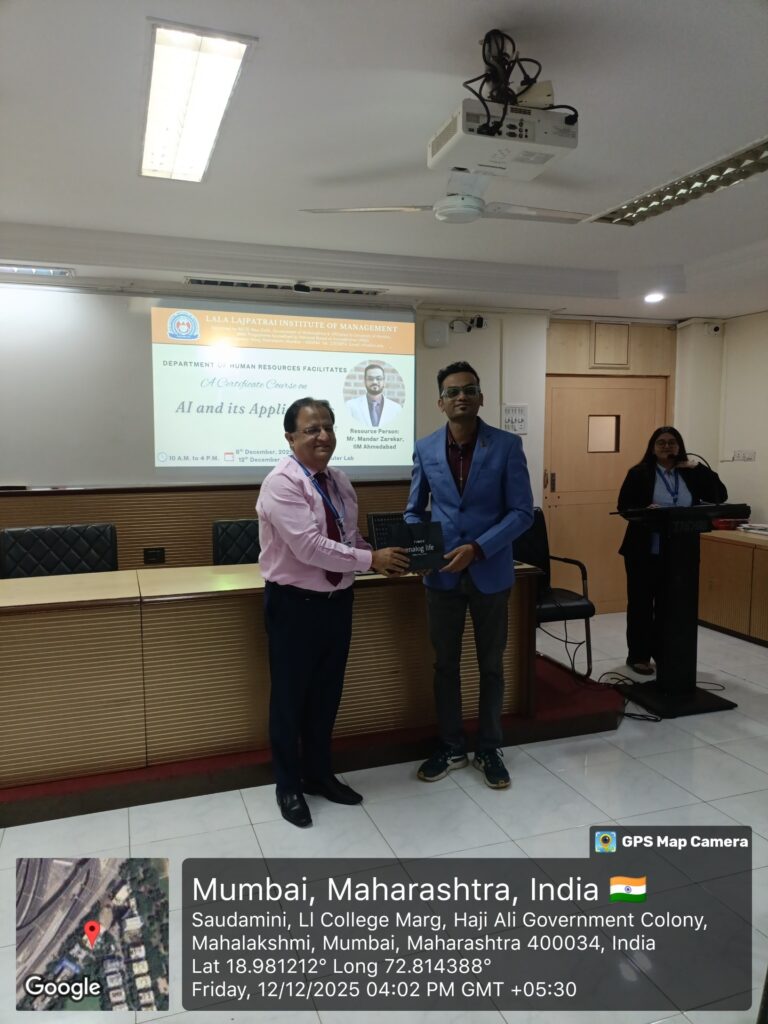
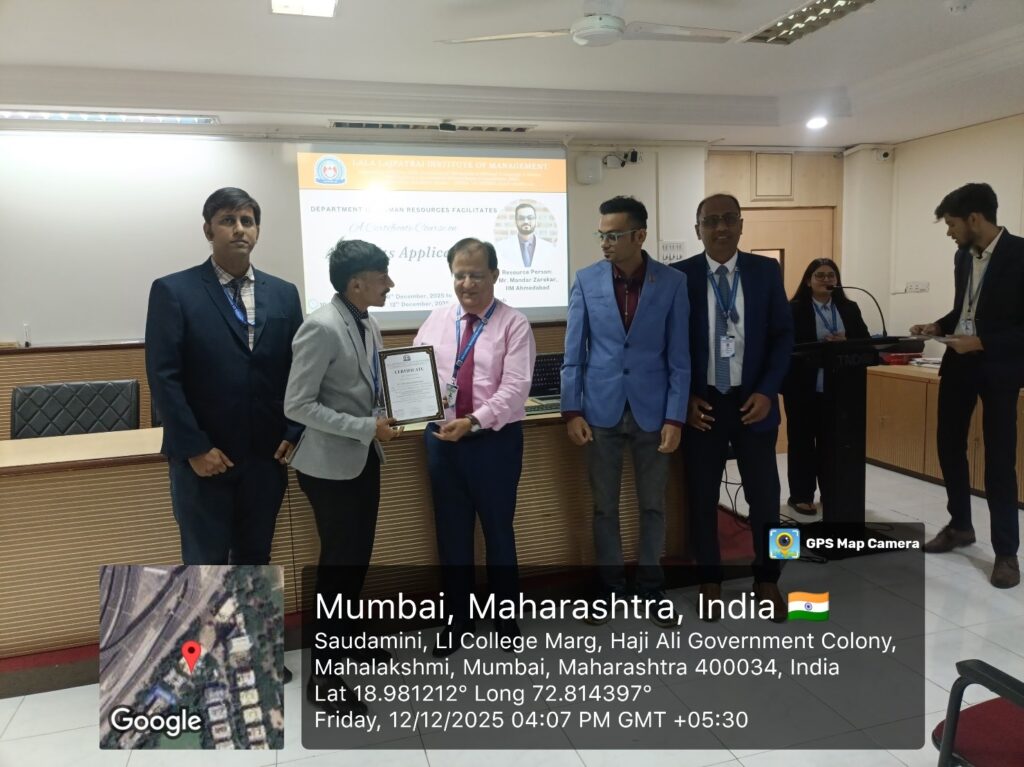
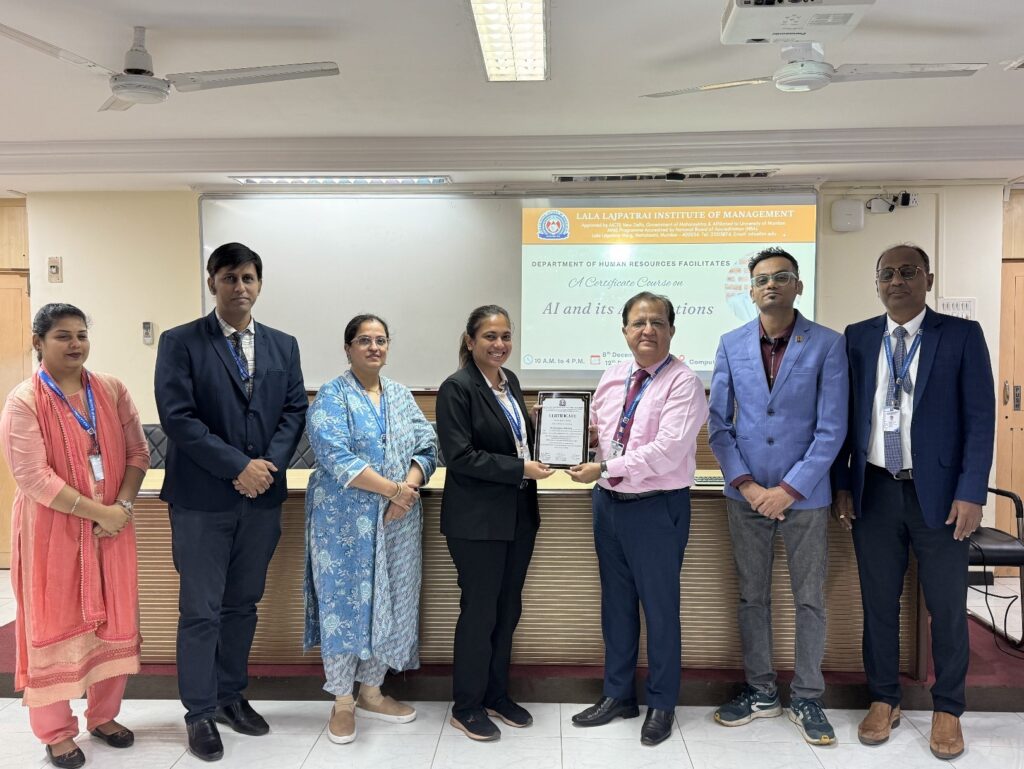
Certificate Course on “Artificial Intelligence and Its Applications”

Institute Name

Lala Lajpatrai Institute of Management


Name of the Event 

Certificate Course on Artificial Intelligence and Its Applications”


Resource Person

Mr. Mandar Zarekar

(PGD in Business Analytics, IIM Ahemadabad)


Date & Time


08/12/2025 to 12/12/2025 from 10:00 am to 4:00 pm


Faculty In charge

Prof. Pradeep Singh

Prof. Radha Iyer

Dr. Suresh Suvarna


Description


1. Introduction

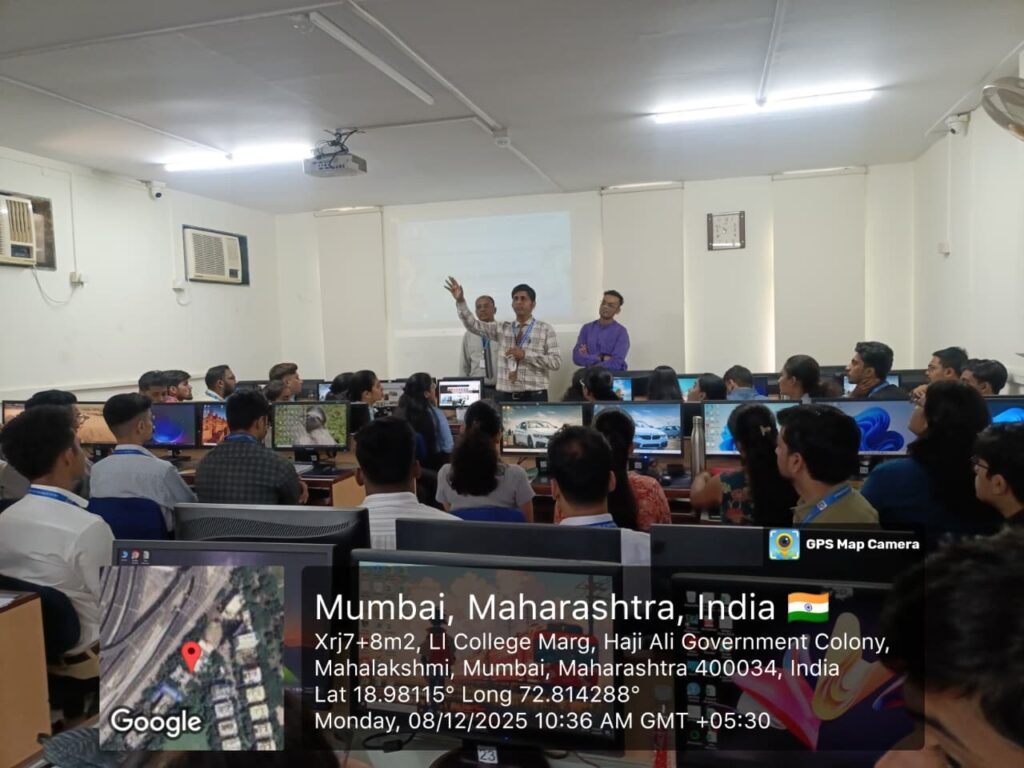
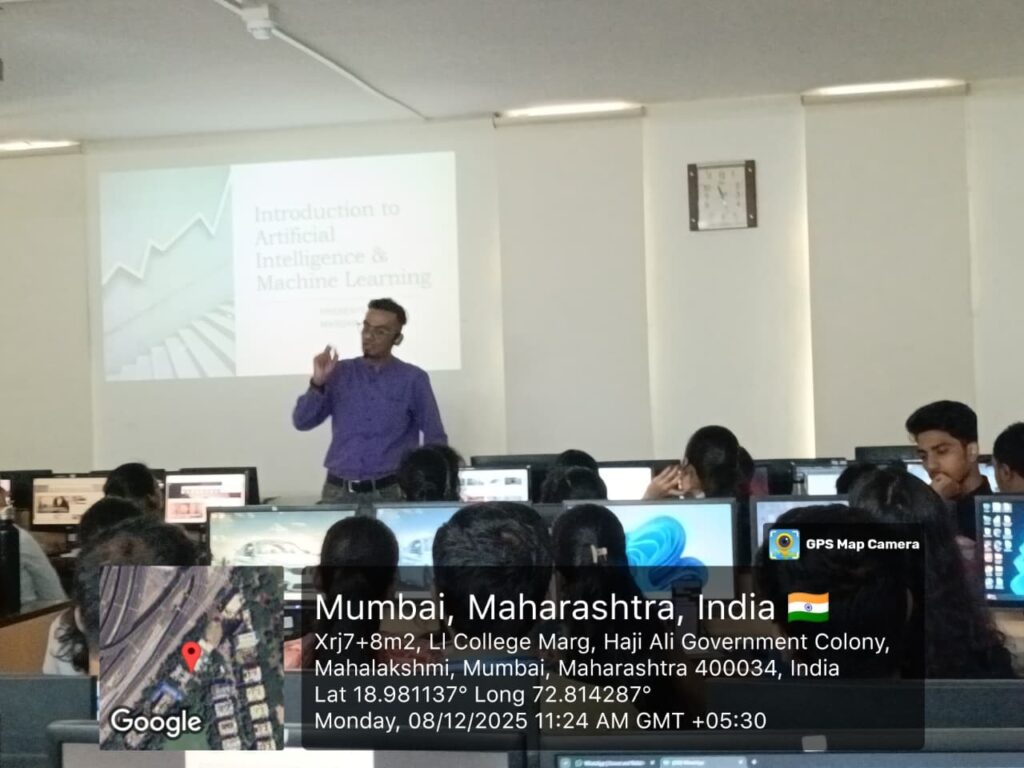
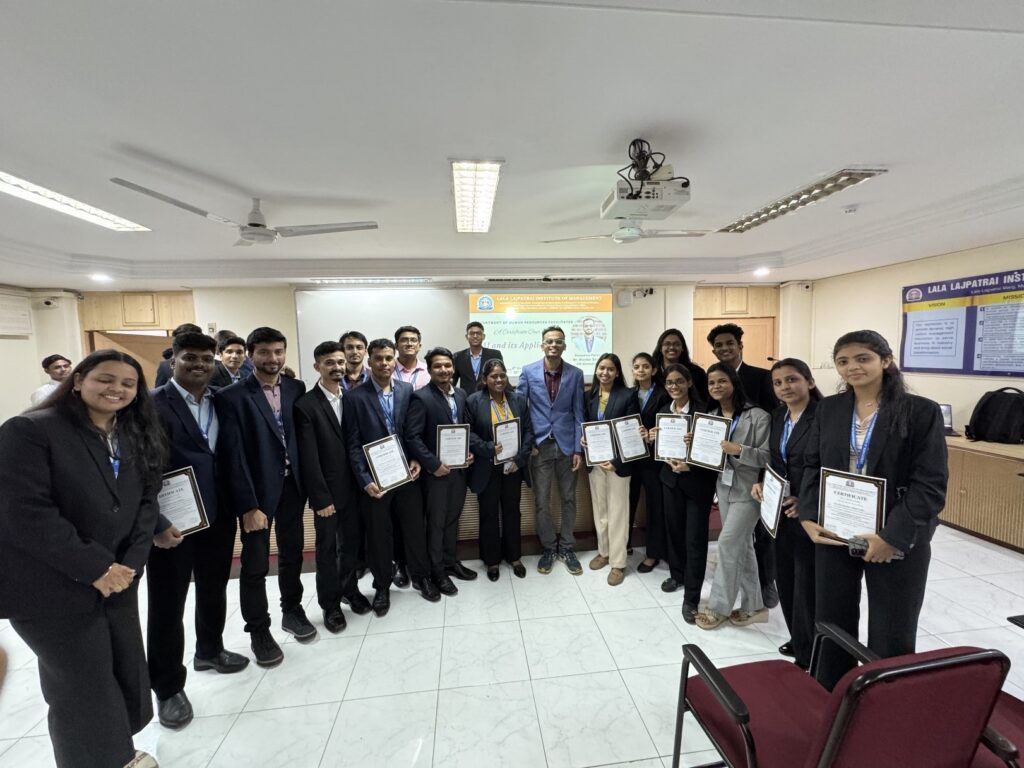
The 30-Hour Certificate Course on “Artificial Intelligence and Its Applications” was conducted with the objective of equipping students with foundational knowledge and practical exposure to emerging AI technologies. In today’s digital landscape, AI has become an essential skill across disciplines including engineering, management, commerce, healthcare, and social sciences. Recognizing this need, the course was designed to provide a structured learning experience integrating theoretical insights, hands-on practice, and real-world case studies. Over the span of thirty hours, participants gained familiarity with key AI concepts, tools, and applications relevant to both academic and professional domains.

2. Course Objectives

The primary objectives of the certificate course were:

  1. To introduce students to the fundamentals of Artificial Intelligence and its evolving role in modern industries.
  2. To familiarize learners with machine learning concepts and algorithmic thinking.
  3. To develop practical skills through hands-on sessions using AI platforms and tools.
  4. To foster problem-solving and analytical capabilities using AI solutions.
  5. To encourage students to explore AI-based projects and applications for academic and career development.

3. Course Structure and Content

The certificate program was structured into thematic modules delivered in interactive sessions. The major topics covered included:

Module 1: Introduction to AI

  • Evolution of Artificial Intelligence
  • Difference between AI, Machine Learning, and Deep Learning
  • Overview of AI trends, opportunities, and future scope

Module 2: Machine Learning Basics

  • Types of Machine Learning: Supervised, Unsupervised, Reinforcement
  • Data preprocessing, feature selection, and basic model building

Module 3: Neural Networks and Deep Learning

  • Introduction to Neural Network architecture
  • Concept of activation functions, training and testing models
  • Demonstration of image classification using simple neural models

Module 4: Natural Language Processing (NLP) & Generative AI

  • AI in daily life: Chatbots, recommendation systems, virtual assistants
  • AI in business: HR analytics, marketing automation, predictive modelling
  • AI in engineering: robotics, IoT-AI integration, automation
  • AI in healthcare: diagnosis support, medical imaging, early prediction

Module 5: Practical Implementation Sessions

  • Basic coding using Python for AI tasks
  • Hands-on practice with datasets for regression and classification
  • Creating simple AI-based mini projects

Module 6: Ethical and Social Implications of AI

  • Data privacy and algorithmic bias
  • Responsible use of AI technologies
  • Future challenges and regulations

Each module was conducted through a combination of lectures, demonstrations, problem-solving tasks, and guided practice exercises.

4. Methodology

The program was delivered using a learner-centric approach. The sessions included:

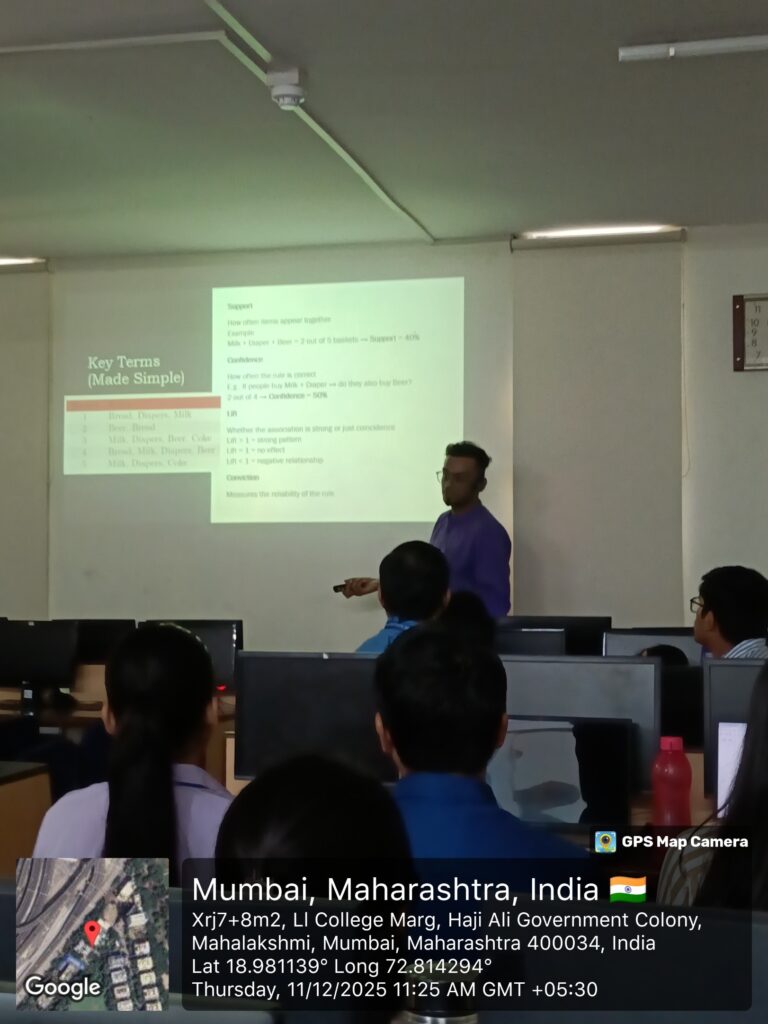
  • Interactive lectures with multimedia presentations
  • Live demonstrations of AI tools and platforms
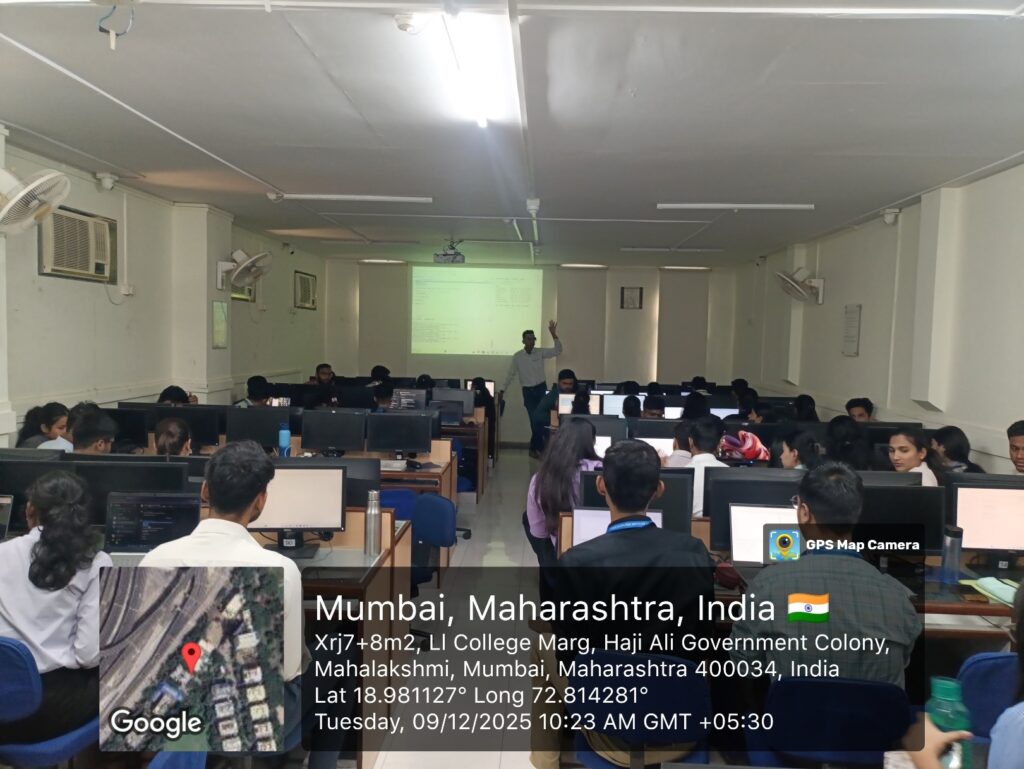
  • Practical lab sessions enabling students to directly implement AI models
  • Group discussions and case studies to connect theory with real applications
  • Mini project development, encouraging students to apply AI techniques creatively

Continuous feedback was collected from participants to refine and enhance the learning experience throughout the course.

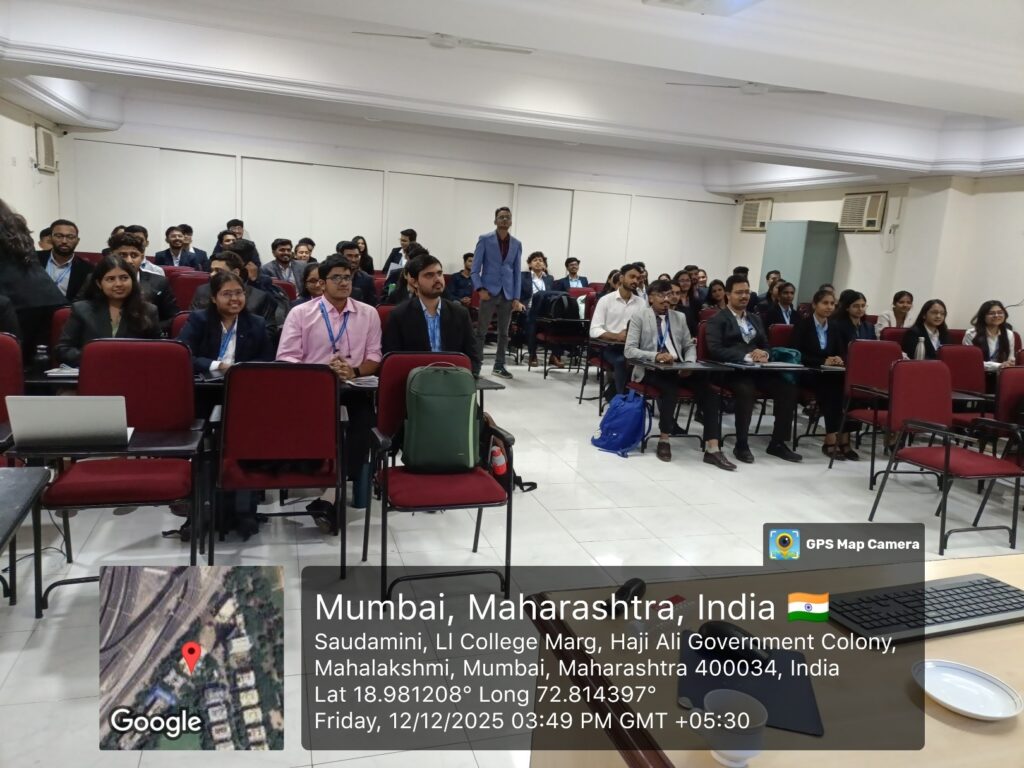
5. Participant Engagement

Students from various academic backgrounds actively took part in the course. Their enthusiasm was evident through:

  • Active interaction during demonstrations
  • Consistent participation in hands-on lab tasks
  • Submission of mini-projects involving real-world datasets
  • Engaging discussions on how AI could be applied within their disciplines

Many students expressed interest in pursuing further learning or research in AI, indicating the course’s success in building motivation and curiosity.

6. Learning Outcomes

By the end of the 30-hour course, participants were able to:

  1. Understand core AI concepts and terminologies.
  2. Apply basic machine learning techniques to simple datasets.
  3. Analyze AI applications across industries and domains.
  4. Develop small-scale AI applications demonstrating regression, classification, or data analysis.
  5. Identify ethical considerations and responsible use guidelines for AI.

These outcomes reflect the development of both conceptual clarity and practical capability among the learners.

7. Feedback and Observations

Overall participant feedback was highly positive. Students appreciated:

  • The balanced focus on theory and practical implementation
  • Clear explanations of complex concepts
  • Availability of hands-on exercises and guidance
  • Real-time support from instructors during coding sessions

Some students suggested additional time for advanced topics such as deep learning, which may be included in future extended workshops.

8. Conclusion

The 30-Hour Certificate Course on “Artificial Intelligence and Its Applications” successfully achieved its objective of introducing students to emerging AI technologies in an engaging and practical manner. The course served as a strong foundation, preparing students to explore advanced AI topics and undertake project-based learning. It also enhanced their digital competency and future readiness in a rapidly evolving technological world.

The program demonstrated the importance of integrating AI education within academic environments and highlighted the growing interest among students to develop skills relevant to Industry 4.0. Future initiatives may include advanced certificate courses, hackathons, and collaborative research projects to further strengthen students’ AI capabilities.


Start your future today

Sign up to get application tips, explore student stories and find out about our latest events.

Start your future today

Sign up to get application tips, explore student stories and find out about our latest events.

Institute Name

Lala Lajpatrai Institute of Management


Name of the Event 

Certificate Course on Artificial Intelligence and Its Applications”


Resource Person

Mr. Mandar Zarekar

(PGD in Business Analytics, IIM Ahemadabad)


Date & Time


08/12/2025 to 12/12/2025 from 10:00 am to 4:00 pm


Faculty In charge

Prof. Pradeep Singh

Prof. Radha Iyer

Dr. Suresh Suvarna


Description


1. Introduction

The 30-Hour Certificate Course on “Artificial Intelligence and Its Applications” was conducted with the objective of equipping students with foundational knowledge and practical exposure to emerging AI technologies. In today’s digital landscape, AI has become an essential skill across disciplines including engineering, management, commerce, healthcare, and social sciences. Recognizing this need, the course was designed to provide a structured learning experience integrating theoretical insights, hands-on practice, and real-world case studies. Over the span of thirty hours, participants gained familiarity with key AI concepts, tools, and applications relevant to both academic and professional domains.

2. Course Objectives

The primary objectives of the certificate course were:

  1. To introduce students to the fundamentals of Artificial Intelligence and its evolving role in modern industries.
  2. To familiarize learners with machine learning concepts and algorithmic thinking.
  3. To develop practical skills through hands-on sessions using AI platforms and tools.
  4. To foster problem-solving and analytical capabilities using AI solutions.
  5. To encourage students to explore AI-based projects and applications for academic and career development.

3. Course Structure and Content

The certificate program was structured into thematic modules delivered in interactive sessions. The major topics covered included:

Module 1: Introduction to AI

  • Evolution of Artificial Intelligence
  • Difference between AI, Machine Learning, and Deep Learning
  • Overview of AI trends, opportunities, and future scope

Module 2: Machine Learning Basics

  • Types of Machine Learning: Supervised, Unsupervised, Reinforcement
  • Data preprocessing, feature selection, and basic model building

Module 3: Neural Networks and Deep Learning

  • Introduction to Neural Network architecture
  • Concept of activation functions, training and testing models
  • Demonstration of image classification using simple neural models

Module 4: Natural Language Processing (NLP) & Generative AI

  • AI in daily life: Chatbots, recommendation systems, virtual assistants
  • AI in business: HR analytics, marketing automation, predictive modelling
  • AI in engineering: robotics, IoT-AI integration, automation
  • AI in healthcare: diagnosis support, medical imaging, early prediction

Module 5: Practical Implementation Sessions

  • Basic coding using Python for AI tasks
  • Hands-on practice with datasets for regression and classification
  • Creating simple AI-based mini projects

Module 6: Ethical and Social Implications of AI

  • Data privacy and algorithmic bias
  • Responsible use of AI technologies
  • Future challenges and regulations

Each module was conducted through a combination of lectures, demonstrations, problem-solving tasks, and guided practice exercises.

4. Methodology

The program was delivered using a learner-centric approach. The sessions included:

  • Interactive lectures with multimedia presentations
  • Live demonstrations of AI tools and platforms
  • Practical lab sessions enabling students to directly implement AI models
  • Group discussions and case studies to connect theory with real applications
  • Mini project development, encouraging students to apply AI techniques creatively

Continuous feedback was collected from participants to refine and enhance the learning experience throughout the course.

5. Participant Engagement

Students from various academic backgrounds actively took part in the course. Their enthusiasm was evident through:

  • Active interaction during demonstrations
  • Consistent participation in hands-on lab tasks
  • Submission of mini-projects involving real-world datasets
  • Engaging discussions on how AI could be applied within their disciplines

Many students expressed interest in pursuing further learning or research in AI, indicating the course’s success in building motivation and curiosity.

6. Learning Outcomes

By the end of the 30-hour course, participants were able to:

  1. Understand core AI concepts and terminologies.
  2. Apply basic machine learning techniques to simple datasets.
  3. Analyze AI applications across industries and domains.
  4. Develop small-scale AI applications demonstrating regression, classification, or data analysis.
  5. Identify ethical considerations and responsible use guidelines for AI.

These outcomes reflect the development of both conceptual clarity and practical capability among the learners.

7. Feedback and Observations

Overall participant feedback was highly positive. Students appreciated:

  • The balanced focus on theory and practical implementation
  • Clear explanations of complex concepts
  • Availability of hands-on exercises and guidance
  • Real-time support from instructors during coding sessions

Some students suggested additional time for advanced topics such as deep learning, which may be included in future extended workshops.

8. Conclusion

The 30-Hour Certificate Course on “Artificial Intelligence and Its Applications” successfully achieved its objective of introducing students to emerging AI technologies in an engaging and practical manner. The course served as a strong foundation, preparing students to explore advanced AI topics and undertake project-based learning. It also enhanced their digital competency and future readiness in a rapidly evolving technological world.

The program demonstrated the importance of integrating AI education within academic environments and highlighted the growing interest among students to develop skills relevant to Industry 4.0. Future initiatives may include advanced certificate courses, hackathons, and collaborative research projects to further strengthen students’ AI capabilities.


Post Related